




PFAS: What You Need to Know

Potentially Harmful “Forever Chemicals” May Be in Your Tap Water
PFAS (or per- and polyfluoroalkyl substances) are a group of chemicals commonly found in many household and everyday products. They are often referred to as “forever chemicals” because they don’t break down easily in the environment or the human body.
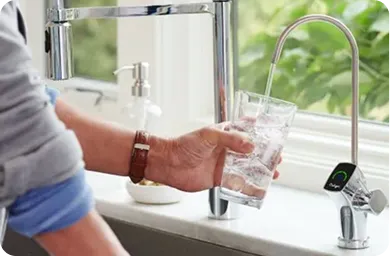
Over time, PFAS can enter your water system and can contaminate your drinking water, contributing to various health issues. It’s estimated that 45% of tap water in the United States contains one or more PFAS contaminants. The National Institute of Environmental Health Sciences points to recent research that indicates risks from exposure to forever chemicals include:
- Altered metabolism and body weight regulation, and risk of childhood obesity
- Increased risk of some cancers
- Reduced ability of the immune system to fight infections
Fortunately Culligan has developed some of the industry’s best solutions to address the risks associated with forever chemicals.
Can I Protect My Home & Family From PFAS?
Yes, there are ways to reduce exposure to PFAS and other forever chemicals. Here are some of the recommendations from the US Environmental Protection Agency (EPA):

Don’t eat fish from waters contaminated with PFAS and other chemicals

Avoid products that contain PFAS and contact the Consumer Product Safety Commission’s Consumer Ombudsman if you have questions.

Most importantly, you should find out if forever chemicals are in your drinking water, and if they are to take action to eliminate forever chemicals from your water.
How to Fight Back Against PFAS
Because you can’t see, smell, or taste PFAS chemicals, you’ll need to first determine if any of these substances may be present in your drinking water. There are a few different ways to verify this, as detailed in the steps below.
01
Check Your PFAS Status
Depending on where you live, the EPA may have already flagged your community as a risk area for PFAS chemicals. You can check the status of your location and learn more via this interactive map.
02
Test Your Water for PFAS
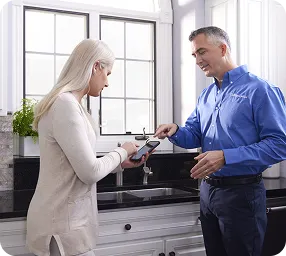
If your location has not specifically been flagged by the EPA, the next best way to check your home for PFAS is to either conduct a self-guided at-home water test or to schedule a consultation and test from a local water expert.
03
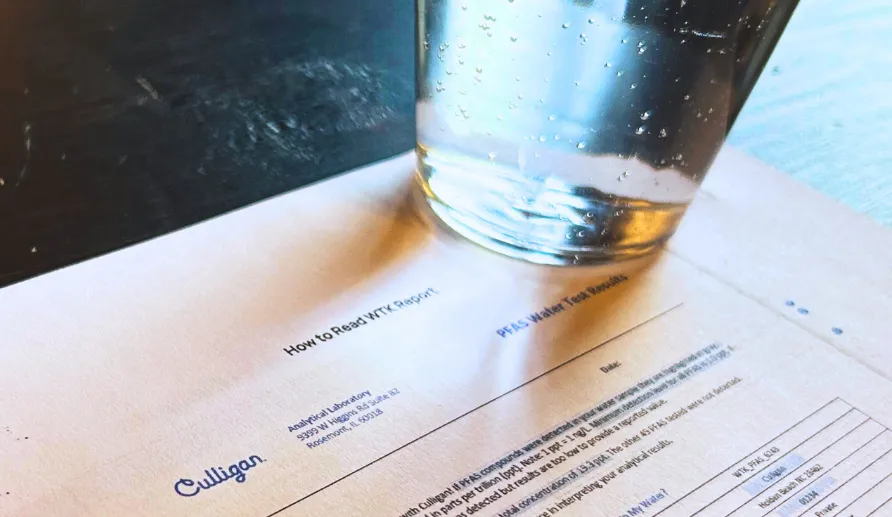
Get Your Results
Once your PFAS test is complete and your water sample has been collected, you can typically expect to receive a detailed PFAS test report within 10 business days that will help determine any next steps that need to be taken.
04
Take Action
Depending on the results of your test, it may be time to take the next step in protecting your home and family from the threats of PFAS chemicals.
Where to Start
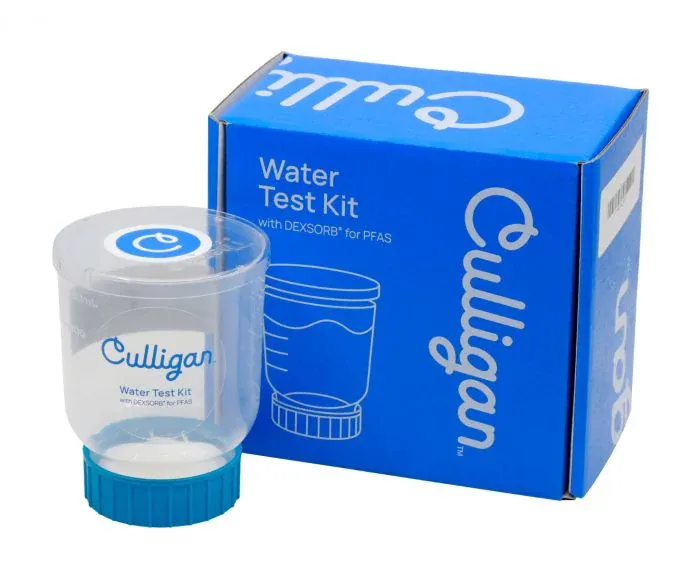
The first step in protecting your home from PFAS is to find out if forever chemicals are present in your drinking water. Order your simple in-home test kit today. Once we receive your completed test we’ll analyze the results and send you a personalized report within 10 days.
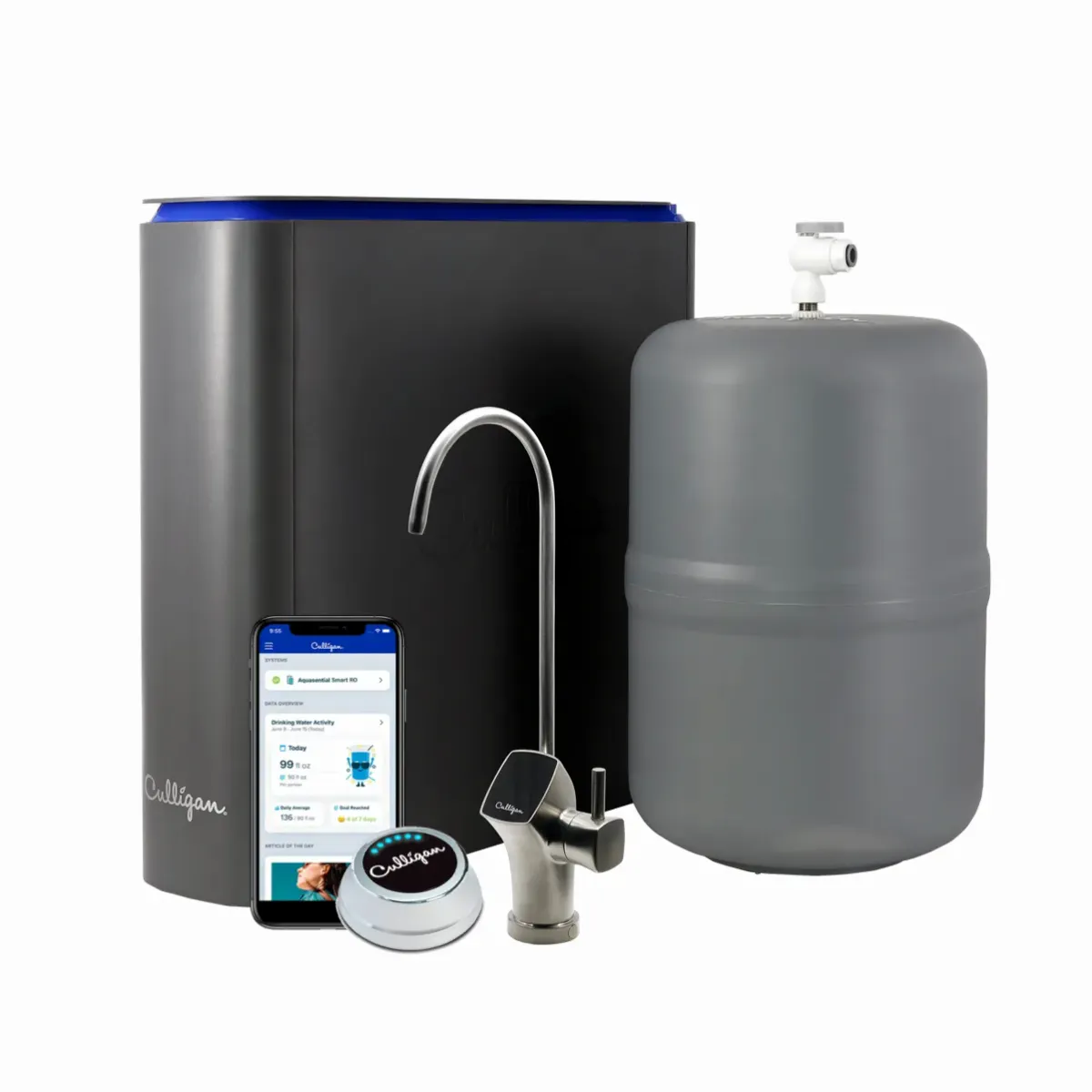
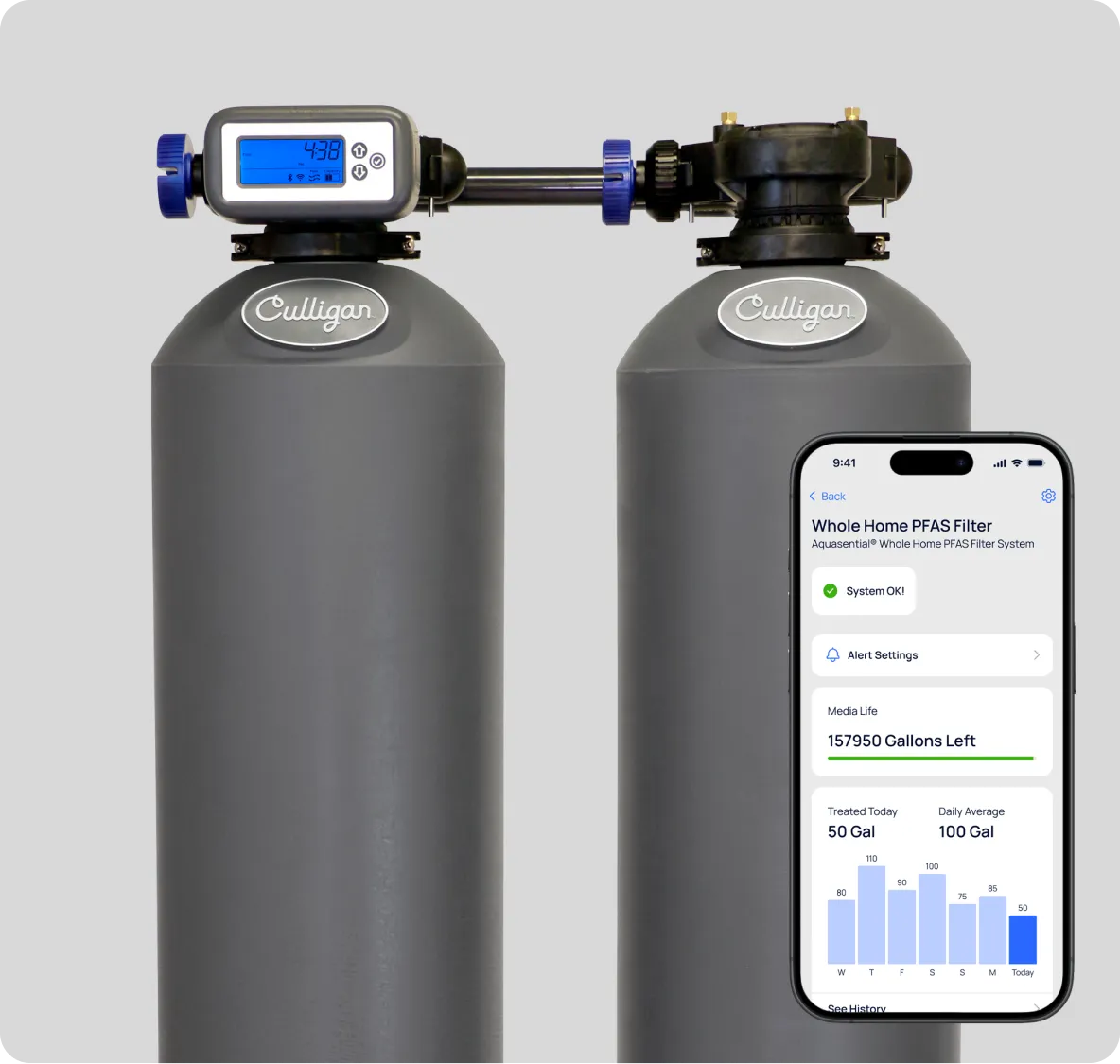
If the results of your test indicate the presence of forever chemicals, Culligan can offer a solution that’s right for you. Our industry-leading Aquasential® line of products will help you regain confidence in the water coming out of your tap. Whether you choose a reverse osmosis (RO) unit or a whole-home system, we’ve got a solution that can be tailored to your needs.


/


What Are PFAS?
Educate Yourself to Take Action
Schedule Your Free Water Consultation
Our Culligan water experts are ready to help you find the right solution for reducing PFAS in your home’s water. Schedule your free water consultation today to take the first step toward trustworthy water.